FREE Webinar! AI and Higher Education: Implications for Learning, Curricula, and Institutions

Wednesday, January 10, 2024
 – 

Register now! 

Few innovations have impacted higher education as deeply and swiftly as artificial intelligence has. Initially viewed simply as a threat to academic integrity, it’s now clear that AI presents far greater challenges—and opportunities. Goldman Sachs has estimated that AI may replace 300 million full-time jobs. This rapid workforce evolution is creating demand for an accompanying evolution of higher education to meet new expectations. During this AAC&U webinar, panelists will discuss the many ways higher education will be affected by artificial intelligence, including how AI will influence instruction, curricula, and institutions. They’ll also suggest paths forward that can help you and your institution succeed in this new era.

Panelists
Bryan Alexander

Bryan Alexander
Senior Scholar, Georgetown University

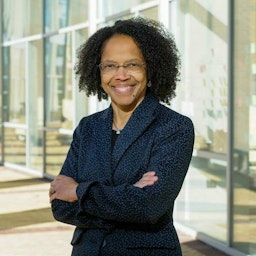
Glida Barabino

Gilda A. Barabino
President and Professor, Olin College of Engineering

William J. McKinney

William J. McKinney
Senior Director of Higher Education Initiatives, Council for Adult and Experiential Learning

Lynn Pasquerella

Lynn Pasquerella
President, AAC&U

Michael Roth

Michael S. Roth
President, Wesleyan University

Moderator
C. Edward Watson

C. Edward Watson
Associate Vice President for Curricular and Pedagogical Innovation and Executive Director for Open Educational Resources and Digital Innovation, AAC&U

HELP! Why isn’t my Qualtrics workflow working!?!

When setting up a workflow in Qualtrics, especially for the purpose of sending automated email notifications, it’s crucial to understand what a workflow is and the significance of certain settings within this tool.

A workflow in Qualtrics is a sequence of tasks that are executed based on specific triggers or conditions, often without manual intervention once the workflow is configured. These workflows are particularly useful for automating repetitive tasks, such as sending out email notifications to a designated recipient or group of recipients whenever a new survey response is submitted. This functionality ensures that the relevant parties are promptly informed about survey participation, potentially allowing for immediate follow-up or action.

However, for the workflow to work, the “From Address” in the email task settings MUST remain as the default address: survey@wlu.edu.

Screenshot of the email screen in Qualtrics when creating an email task. The 'To' field is pre-filled with a dynamic field placeholder, while the 'From' address, survey@wlu.edu, is highlighted with a red dashed circle around it.

This default address is set to ensure deliverability and compliance with email policies because it’s linked to the university’s email server configurations and helps to prevent emails from being flagged as spam.

While you might be tempted to edit the “From Address,” keep it as-is. Let the default do its thing. Modifying survey@wlu.edu will result in email notifications not being sent.

So, if you’re following the Setting Up an Email Task instructions, W&L users MUST ignore step 10. YOU CANNOT EDIT THE FROM ADDRESS!

Have questions or need help with Qualtrics? Contact the ITS Information Desk at help@wlu.edu, call 540.458.4357 (HELP), or stop by the ITS Information Desk on the Main Level of Leyburn Library.

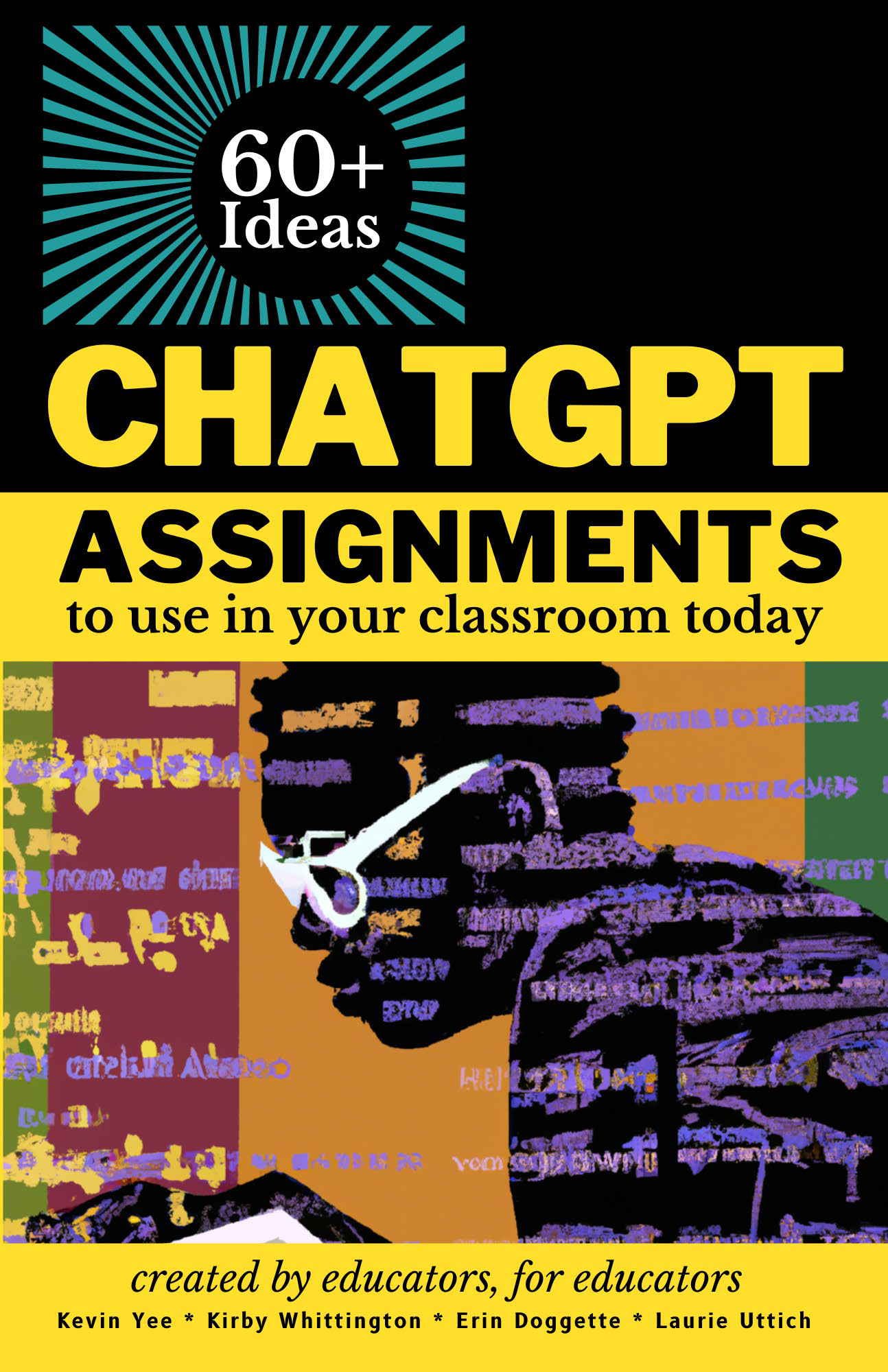
READ ME! “60+ Ideas for ChatGPT Assignments”

60

Authored by Kevin Yee, Kirby Whittington, Erin Doggette, and Laurie Uttich from the University of Central Florida, 60+ Ideas for ChatGPT Assignments (.PDF),  aims to explore the educational implications of ChatGPT and similar Large Language Models (LLMs) in the classroom setting. 

Here’s what you need to know.

What is ChatGPT?

ChatGPT is a Large Language Model (LLM) that has taken the world by storm. While it can generate answers and assist in various tasks, it’s crucial to remember that it is not always accurate. The authors emphasizes that ChatGPT should not be blindly trusted, especially in academic settings.

Challenges and Opportunities

The advent of ChatGPT presents both ethical and practical challenges. For instance, the ease with which students can obtain answers to multiple-choice questions or even entire essays poses a significant challenge to academic integrity. However, the authors argue that instead of resisting this change, educators should adapt to the AI era.

A New Mindset for AI

Both students and instructors need to adopt a new mindset that acknowledges the availability and inevitability of AI in educational settings. This involves rethinking traditional assignments and tests in the context of readily available AI tools.

Components of AI Fluency

The document outlines seven key components for achieving AI fluency:

  1. Understanding how AI works: Know the capabilities and limitations of the AI tools you are using.
  2. Deciding when to use AI: Exercise judgment about the appropriateness of using AI in various contexts.
  3. Valuing AI: Appreciate the potential benefits and drawbacks of AI.
  4. Effective Prompt Engineering: Learn how to ask the AI the right questions to get the desired output.
  5. Evaluating AI Output: Critically assess the information provided by AI.
  6. Adding Human Value: Understand how to add value to AI-generated content.
  7. Digital Adaptability: Be prepared to adapt to new AI tools and technologies as they emerge.
Practical Assignments

The document also offers a variety of assignments that leverage ChatGPT for educational purposes. Here are just a few examples:

  • ChatGPT as a Thesaurus: Students are encouraged to use ChatGPT to find synonyms or antonyms for specific words. This assignment aims to familiarize students with ChatGPT’s capabilities in language enhancement.Sample Prompts:


  • “Define misanthrope.”
  • “Give me five sophisticated synonyms for foul-smelling.”
  • “What is the opposite of altruistic? Provide six examples.”
     

Writing: Improve Connections between Claims and Evidence: Students must state a claim, provide support, and then use ChatGPT to analyze the validity of their claim in terms of how universal their assumptions are.

Sample prompts:

  • “Analyze my argument about climate change for assumptions that may not be universal.”
  • “Cost of Living Adjustments (COLA) seems to offer minute incremental increases in salaries and wages that don’t allow individuals to truly keep up with inflation, but the government continues to offer them as some sort of noteworthy contribution. Many citizens are still living below the poverty level, while the rich seem to keep getting richer. Analyze this claim for assumptions that not everyone may share.”


Elaboration and Expansion: Students are asked to use ChatGPT to elaborate on specific topics, such as the causes of macular degeneration or the pros and cons of offering free healthcare in the United States.

Sample Prompts:

    • “Please elaborate on the causes for macular degeneration.”/ “Elaborate again.” / Elaborate again.”
    • “Expand on the idea of offering free health care in the United States by offering pros and cons.” / “What are the pros and cons of offering free health care in the U.S.” / “Expand more.”
    • “Which is better, organizing my closet by color-coding or grouping my clothes by type? Use compare and contrast to answer.” / “Offer a different scenario via compare/contrast.”
Final Thoughts

60+ Ideas for ChatGPT Assignments (.PDF) serves as a roadmap for educators to integrate AI into their curriculum responsibly. It offers both theoretical insights and practical solutions, making it a must-read for all instructors.

AI Workshop: Prompt Engineering for Academics – THIS Wednesday 10/18 at 12:00 PM

A promotional poster for an AI Workshop presented by Josh Fairfield. The subtitle reads "Prompt Engineering for Academics." The background features an array of advanced robots and machinery in white and silver colors against a pale backdrop.

Delve into the world of artificial intelligence with William Donald Bain Family Professor of Law Josh Fairfield at his upcoming workshop. Discover how AI can elevate your academic pursuits and gain insights into navigating the ethical landscape of this technology.

  • 📅 Date: Wednesday, Oct 18
  • ⏰ Time: Noon
  • 🔗 Join: Zoom Link

Harness the power of AI and propel your scholarship to new heights.
Don’t miss out!

Free Online Conference: “Empowering Learners for the Age of AI” – October 23-25, 2023

Robot looking at chalkboard covered in formulas and equations

Empowering Learners for the Age of AI (ELAI) is the premier conference globally investing the research and practice around AI adoption in schools, universities, and corporate settings. 

This year’s theme is on the theory, models, and practical impact of AI. The theme reflects maturation of related fields: learning analytics, learning sciences, educational data mining, and AI in education.

  • What’s actually happening with AI and how is it changing classrooms, teaching, and learning?
  • How can data, analytics and AI be used not to disempower or automate work, but to empower learners and professionals?
  • How must modern knowledge systems (such as schools, universities, corporate training and development, government agencies) change to prepare people for an AI society?
  • How to track and assess the qualities that equip people for this future?
  • What will the learning ecosystem look like by 2030 and what might humans and AI collaborate in solving complex problems?
  • Share the opportunities and concerns that you see: this is just the conversation starter!

Join the fourth Empowering Learners for the Age of AI conference on October 23 – 25, 2023. World-leading researchers and experts will deliver keynote addresses, while discussion panels will explore the implications of AI across various sectors. This conference will be of interest to individuals with all levels of AI expertise, from beginner to advanced.

Check out the ELAI website for more information on conference speakers and to view the event schedule. Register now for this free conference!

‼️🚨⚠️ PLANNED SERVER OUTAGE THIS SUNDAY, OCTOBER 8th! ‼️🚨⚠️

ATTENTION!

On Sunday, October 8, 2023, there will be maintenance performed on the hard nodes in our web hosting provider’s US-based data center, where our academic.wlu.edu WordPress server is located. 

Your site(s) will be offline for a short period of time — 10-20 minutes — between 12:00 noon – 7:00 pm EST. If you must work on your site during this time, please save your work often.

If you have questions or concerns, contact the ITS Information Desk at 540.458.4357 (HELP) or help@wlu.edu.

HHMI Biointeractive and SEAS Program’s FREE course on Inclusive Teaching

Painting of silhouettes of people. HHMI BioInteractive BioInteractive Online Professional Learning, Inclusive Teaching; SEAS | Science Education and Society

Inclusive Teaching is a FREE asynchronous professional development course that aims to deepen educators’ knowledge of inclusive teaching practices. The course was designed with undergraduate introductory life science educators in mind, but components of the course will resonate with educators in other contexts.   

Classrooms are becoming increasingly diverse. Learners come from different backgrounds, race, gender, socioeconomic status, and cultural backgrounds. They have varying abilities, levels of formal education, and preparedness. Some struggle with neurodivergent learning abilities, others work while attending college full-time, and in recent years many adult learners have been returning to higher education. Educators are faced with these nuances and challenges of how to meet the needs of the growing diverse student body, independent of the type of institution (small, large, research-focused, learning focused, etc.) and classroom size. Applying inclusive teaching practices and techniques in the classroom can help educators reach all learners in a way that is particular to them.

About the Course

The course consists of six modules:

  • Module 0, “Course Orientation,” includes information on reflective practice and sources of feedback to improve teaching practices and introduces the action plan. This plan enables educators to track progress on an area of focus for improvement in their teaching. 
  • Module 1, “Self,” encourages interrogation of self and systems to better understand how these factors affect learners’ educational experience. 
  • Module 2, “Empathy,” introduces the role of empathy, motivation, and sense of belonging and provides insights into relevant practices that educators can incorporate into their teaching. 
  • Module 3, “Classroom Climate,” discusses how an educator’s position of power and use of physical and verbal expressions set the climate for the course. The module includes practical ways to improve classroom dialogue between the educator and learner and learner-to-learner interactions. 
  • Module 4, “Teaching and Learning,” provides practical strategies and assessment practices to improve learner sense of belonging, equitable teaching practices, and learner outcomes. 
  • Module 5, “Networks and Structures,” returns to the educator, or self, and focuses on support structures at the institutional level and beyond. We recognize that teaching is hard, and having support structures improves the experience for both the educator and the learner. 

Sign up at https://www.biointeractive.org/professional-learning/online-courses/inclusive-teaching.

Stitching Up Success: A Recap of the IQ Center’s Inaugural Sewing Workshop

Learn to Sew a Tote Bag! Tuesday, September 19, 2023.What happens when you combine a state-of-the-art space, enthusiastic students, and sewing machines? Pure magic!

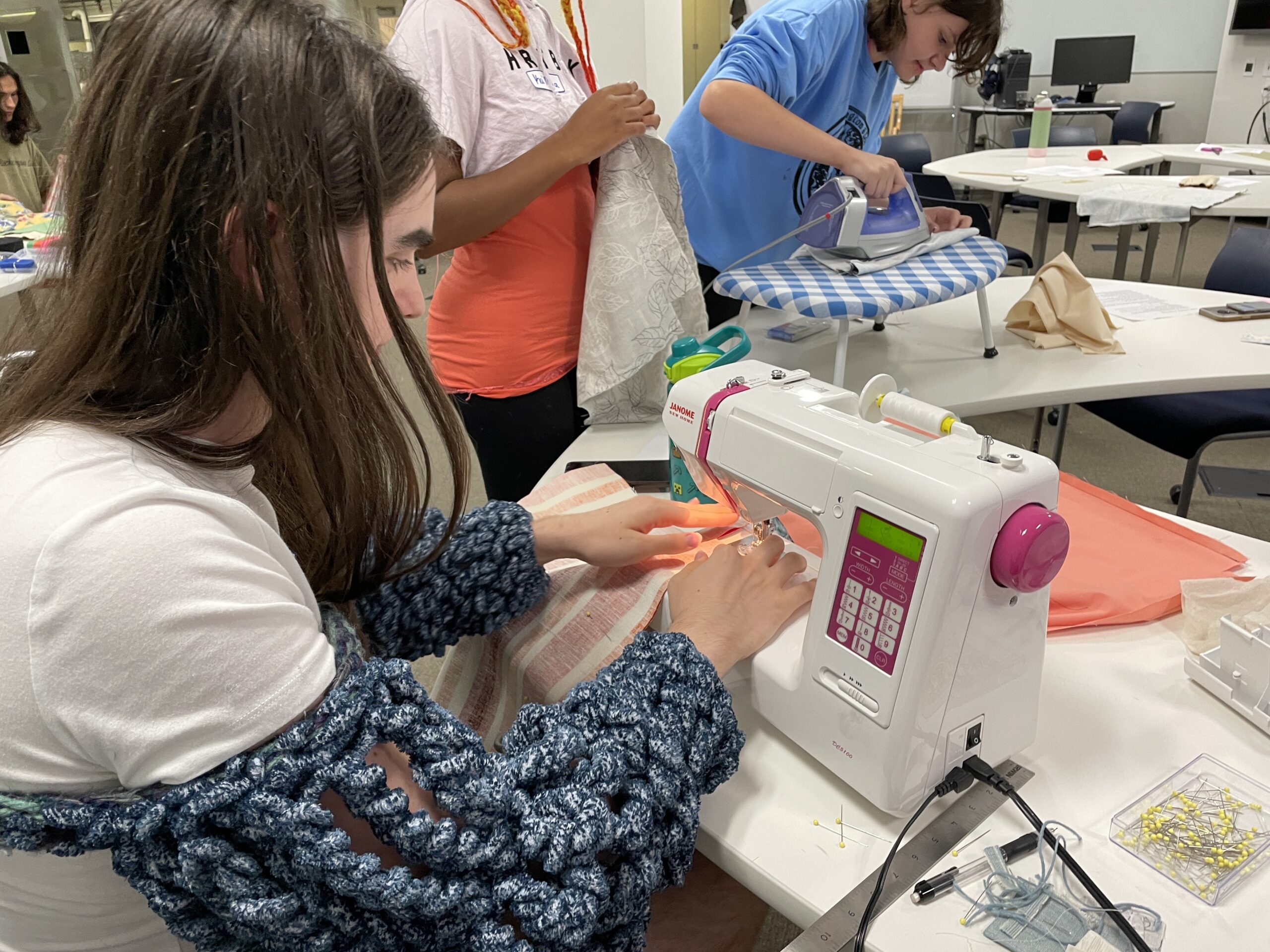
Last week, 17 W&L students came to the IQ Center with curiosity, excitement, and a penchant for crafting—ready to transform squares of fabric into tote bags. The buzz was palpable, the energy infectious.

And let’s be honest, who wouldn’t be excited? 

Setting the Stage for Creativity

Hosted by the Academic Technologies team, the night was designed to be an immersive experience. Taking place in Science Addition 202A, the room was divided into four bustling workstations.

Each station was equipped with cutting-edge sewing machines, including the latest addition to our tech lineup—the Singer 4452 Heavy Duty electronic sewing machine, fabric shears, heat-erasable pens for fabric, rulers, and sewing pins, lots and lots of sewing pins!

Academic Technologists Julie Knudson, Dave Pfaff, Mickie Brown, and Helen MacDermott, walked around the room to answer questions and offer tips as students worked. And yes, for the curious minds and eager hands, there were pre-cut 18″ x 18″ fabric squares in a variety of fun prints and colors and pre-threaded machines—because, at the IQ Center, we believe in eliminating barriers to innovation. Most of the fabric came through donations from the W&L Theater costume shop! Fabric that once may have been curtains on a stage set were converted to market totes.

Imagine having a 3D instruction manual that you could touch, feel, and refer to. To provide a multi-dimensional learning experience, Julie created prototypes of each step, pinned to foam boards for reference. This approach elevated the traditional instruction method, providing students with a tangible guide to navigate the tasks that lay ahead.  

Individual foam boards with finished pieces from each step for reference The workshop was more than just a fun night; it was an incubator of versatile skills. Our students gained hands-on experience in cutting fabric, measuring, pinning, pressing, backtacking, and sewing straight seams. 

By the close of the workshop, a crescendo of pride filled the room. Every participant left with a tangible representation of their learning—a meticulously crafted tote bag. It was not just an accessory but a physical manifestation of applied knowledge, collaborative effort, and creative expression.

Final Stitches

This inaugural sewing workshop is a testament to the IQ Center’s commitment to fostering multidisciplinary skills and community engagement. It was a watershed moment for the IQ Center, reinforcing its role as a sanctuary for interdisciplinary innovation. And if the smiles and the stunning tote bags were any measure, we’re confident this is the start of something groundbreaking.

We’re just getting started, and we’re threaded up for greatness!

You’re Invited! THIS Wednesday (9/27) at 12:00 PM in Sydney Lewis Hall Classroom C

The Last Human Question: ARTIFICIAL INTELLIGENCE AND THE FUTURE OF LAW

AI’s advancements have been revolutionary, offering unprecedented capabilities and opportunities across diverse domains. In the legal sector, AI can analyze vast datasets, predict legal outcomes, and automate routine tasks, thereby enhancing efficiency and reducing costs. However, the rise of AI also brings forth existential inquiries about the roles and responsibilities of humans in a world increasingly governed by intelligent machines.

The Uncharted Territory of AI and Common Law

Common law, a system of law based on judicial decisions and precedents, is dynamic and continually evolving. The integration of AI in this system raises critical questions about the interpretation and development of laws in the future. Will AI contribute to the formation of legal principles, or will it merely be a tool to assist human judges and lawyers in their decision-making processes?

The Role of Humans in AI-Driven Legal Systems

As AI technologies become more sophisticated, the legal profession must grapple with the ethical, moral, and practical aspects of incorporating AI into legal processes. What will be the role of human judgment, intuition, and ethics in a legal landscape increasingly influenced by algorithms? How can legal practitioners maintain the human touch in delivering justice in an AI-driven world?

Join William Donald Bain Family Professor of Law Josh Fairfield on Wednesday, September 27 at 12 pm in Sydney Lewis Hall Classroom C for a discussion on the future of artificial intelligence and its implications for the legal profession. Professor Fairfield will delve into the intricate relationship between AI and law, exploring how AI could shape the evolution of the common law and what it means for legal practitioners.